
Artificial intelligence is currently enjoying its moment in the spotlight; never before have so many companies shown such interest in incorporating it into their operations.



TIMIA Team
henyi.gutierrez@timia.ai
We are a new-generation consultancy focused on the management, optimization, and automation of data with AI. We work every day to ensure AI is a real, ethical, and measurable competitive advantage for our clients.
Artificial Intelligence (AI) is no longer a promise of the future: it is a force that today transforms industries, redefines processes, and challenges organizations to evolve beyond purely technological aspects. According to McKinsey, companies that successfully scale AI solutions are those that transform their operating models, actively manage cultural change, and foster a continuous learning mindset. Adopting tools is not enough: the organizational DNA must be changed.
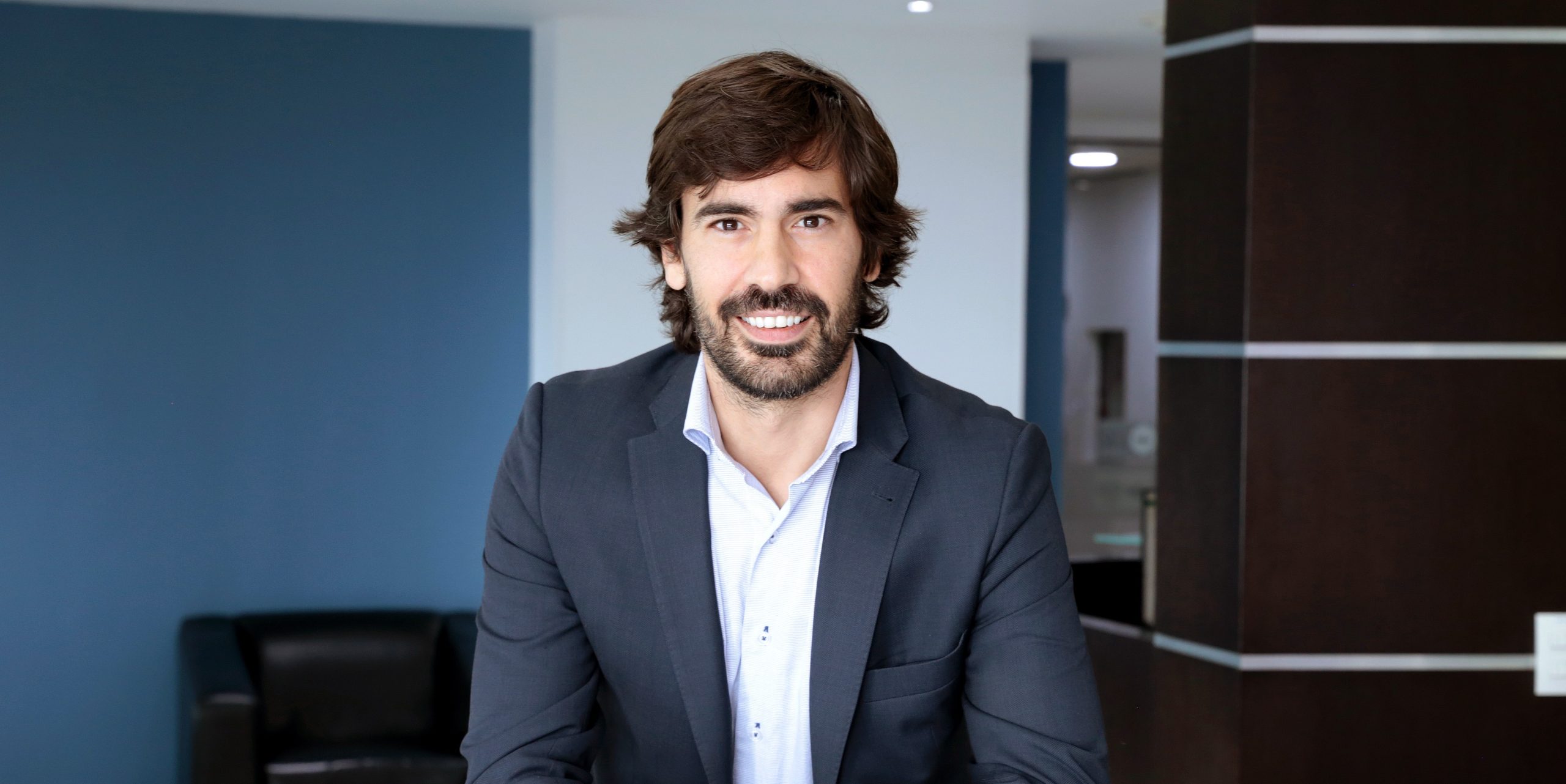
In this context, implementing AI is not simply about digitizing processes. For Xabier Zuazo, TIMIA's CEO for Latin America, the real challenge lies in rethinking the organization from its foundations: how decisions are made, how talent is trained, and, above all, how information is managed as a strategic asset.
“It is fundamental to advance with a structured approach: start with a technological maturity assessment to identify capabilities and gaps; establish clear governance over quality, ownership, and access; and foster cross-functional training that allows everyone, not just technical profiles, to leverage data to its full potential,” explains Zuazo.
From his experience, preparing for an AI-driven future does not begin with a technological race, but with building a solid foundation that guarantees value, control, and sustainability.
Furthermore, he emphasizes that any AI adoption must be accompanied by solid ethical principles. At least four pillars must guide the design and use of these solutions: transparency, to ensure understandable and auditable models; non-discrimination, through mechanisms that detect and correct algorithmic biases; informed consent, especially in sensitive sectors such as health or finance; and defined governance, with clear roles for the development, application, and supervision of models.
For AI to generate a real and sustainable impact, it must be implemented in alignment with business objectives. Therefore, TIMIA proposes six key practices to achieve this:
AI only delivers value when it is connected to strategic objectives and supported by a robust data architecture. Isolated initiatives tend to get lost. It is essential to have a roadmap where data and AI act as catalysts for growth and competitiveness.
Before expanding the use of AI models, it is necessary to ensure they adhere to principles of fairness, security, and traceability. This involves having mechanisms to identify biases and ensuring that automated decisions are understandable and auditable.
It's not enough to have data scientists. The entire organization, from business areas to leadership, must understand what AI does, how it works, and how to interpret it. “Continuous training prevents technology from becoming an inaccessible black box,” highlights Xabier Zuazo, CEO for Latin America at TIMIA.
Adopting AI requires a solid technological foundation. Before proceeding, it is crucial to ensure data availability, quality, and governance, as well as an infrastructure, whether on-premises or in the cloud, capable of supporting intensive processing and security standards.
Every decision made by AI must be explainable. In sectors such as banking, insurance, or healthcare, this traceability is a regulatory requirement. TIMIA implements frameworks that allow for real-time auditing and monitoring of AI's impact.
Many companies focus solely on savings or speed metrics. However, it is also crucial to evaluate how AI improves customer experience, drives innovation, and generates long-term value. Every initiative should begin with well-defined impact indicators.
With the aim of supporting companies in the correct implementation of artificial intelligence (AI), the international consultancy TIMIA began operations in Colombia with a clear proposal: to help organizations incorporate this technology strategically, ethically, and sustainably.
“At TIMIA, we help companies apply artificial intelligence realistically and with impact, not just because it's trendy. We believe that AI is not for impressing, but for serving: we automate processes, modernize architectures, and improve decision-making, always with a focus on the real world,” explains Xabier Zuazo, CEO for Latin America at TIMIA.
Specializing in designing, implementing, and monitoring AI and data strategies aligned with business objectives and corporate values, TIMIA focuses on humanizing digital transformation. Its purpose is for artificial intelligence not to be seen as an end in itself, but as a concrete tool to drive growth, efficiency, and equity.
“What differentiates us is that TIMIA was born as an AI-native company, not as a traditional data firm that later added AI to its portfolio. This gives us a structural advantage: our processes, methodologies, and value propositions were conceived from the outset with AI at the core. We are not adapting what exists; we are building the future,” Zuazo pointed out.
The company, with a presence in multiple markets, combines a global vision with deep knowledge of local environments, such as Spain, Colombia, and Peru. This allows it to offer solutions adapted to the specific challenges of each organization and context.
Artificial intelligence is currently enjoying its moment in the spotlight; never before have so many companies shown such interest in incorporating it into their operations.
Artificial intelligence is entering a new phase: after years of pilot programs and testing, organizations are looking to scale up projects that make a real difference.
With this appointment, TIMIA is embarking on a new phase aimed at accelerating its growth and consolidating its market position.